Blog

CDMX

Lucha Libre and the World Cup in Mexico City: How to Combine Both in One Trip

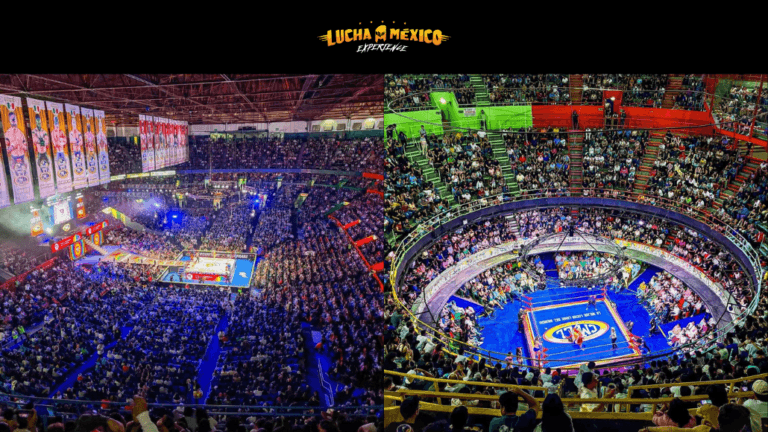
If you are coming to Mexico City for the 2026 FIFA World Cup, you already know the city is going to be unlike anything it has been before. What most visitors do not know yet is that the best cultural experience in the city runs on the same nights as the matches — and it is not sold out. Lucha Libre at Arena México and Arena Coliseo happens multiple nights a week throughout June and July. This summer, the CMLL has expanded its calendar specifically to receive the wave of international visitors the World Cup is bringing to the city.

Lucha Libre Guides

Arena México vs Arena Coliseo: Which Should You Choose for Lucha Libre?

When you start planning your Lucha Libre night in Mexico City, one question comes up quickly: Arena México or Arena Coliseo? Every guide gives you a version of the same answer — big arena versus small arena, loud versus intimate. That is accurate, but it is not the whole picture. I have taken hundreds of international visitors to both venues. The right choice depends on what kind of experience you are actually looking for, and there are a few things most guides do not tell you. The Short Answer If this is your first time seeing Lucha Libre, go to

Lucha Libre

Yaqui Joe: The Forgotten Pioneer of Mexican Wrestling

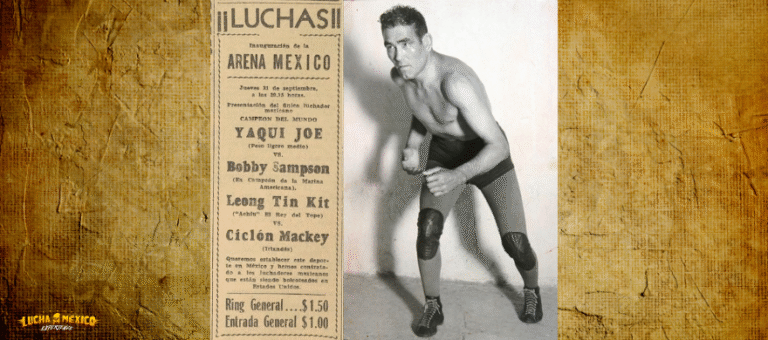
TL;DR:Yaqui Joe, born José Francisco Carlos Close, was a key figure in the birth of professional wrestling in Mexico. He participated in the very first event organized by the Empresa Mexicana de Lucha Libre (now CMLL) in 1933 and became the first National Middleweight Champion. While his exact birthplace remains uncertain—possibly Guaymas, Sonora or Cuchillo Parado, Chihuahua—his legacy as a trailblazer of lucha libre is undisputed. When we talk about the early days of lucha libre in Mexico, few names are as important—and as overlooked—as Yaqui Joe. Born José Francisco Carlos Close, he played a historic role in shaping the

CDMX

Why do we work with Taquería El Caifán instead of a street taco stand?

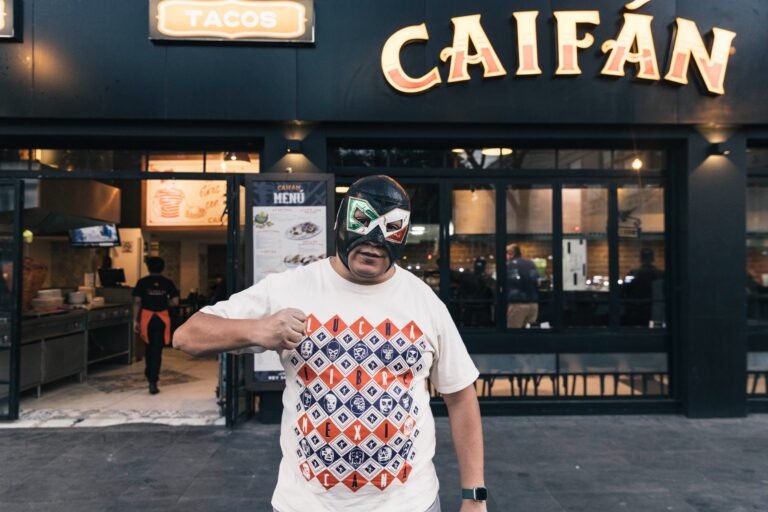
At Lucha Mexico Experience, we believe in conscious and responsible tourism. That’s why we carefully select our partners. Taquería El Caifán meets several key criteria that are essential to us: Food safety and quality:As a host to both locals and international visitors, we must guarantee basic standards of hygiene, access to clean water, proper food handling, and available restroom facilities. This is especially important for travelers who may not be accustomed to Mexico’s street food. Authenticity with structure:Although part of a small restaurant group, El Caifán maintains traditional recipes, employs local staff, and offers an atmosphere that reflects the real,

CDMX

How to Get to Arena México: Transportation Tips for Tourists

TL;DR: Arena México, located in the Doctores neighborhood of Mexico City, is easily accessible via public transportation, rideshares, and walking from nearby neighborhoods. The most convenient options include the Metro (Balderas or Cuauhtémoc stations), Metrobus (Balderas or Cuauhtémoc stations) rideshare apps like Uber, or walking from nearby areas like Roma or Condesa. Plan your trip in advance to enjoy a hassle-free experience. Arena México: The Heart of Lucha Libre Arena México, often referred to as the “Cathedral of Lucha Libre,” is a must-visit destination for anyone wanting to experience the electrifying world of Mexican wrestling. Located at Dr. Lavista 189,

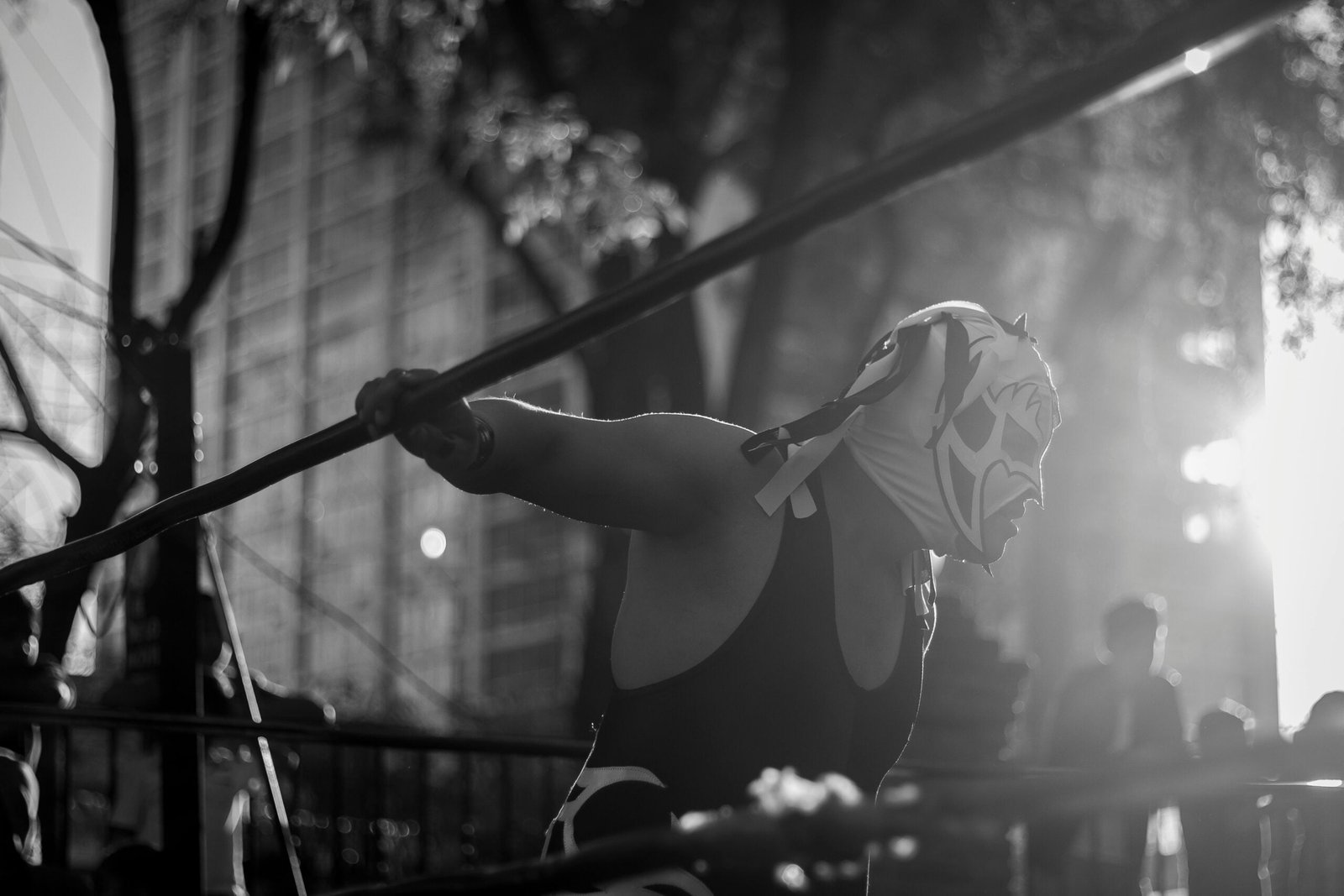
man in mask inside wrestling ring
Sports & Culture

Get to Know Details About Lucha Libre in Mexico City

Introduction to Lucha Libre Lucha Libre, translating to “free fighting,” is not merely a sport in Mexico; it is a cultural cornerstone that resonates deeply within the Mexican psyche. Emerging in the early 20th century, Lucha Libre has evolved from its humble beginnings into a vibrant and symbolic representation of Mexican identity. This unique form of professional wrestling is characterized by colorful masks, rapid sequences of holds, and intricate maneuvers, making it a spectacle that captivates audiences across all generations. The origins of Lucha Libre can be traced back to the early 1900s when European-style wrestling began to gain popularity

CDMX

Lucha Libre or Mexican Wrestling in Mexico City: worth attending?

Lucha Libre, also known as Mexican Wrestling, is one of the most exciting and culturally rich traditions in Mexico. If you’re a sports fan, an adventurer, or simply looking for a thrilling nightlife experience, attending a Lucha Libre match in Mexico City is a must. This action-packed spectacle is not only a thrilling show, but also a cultural immersion into the heart of Mexican traditions. However, attending a Lucha Libre event in Mexico City can be overwhelming, especially if you’re a first-timer. That’s why we’re here to guide you through the process and make sure you have the ultimate Lucha

Culture

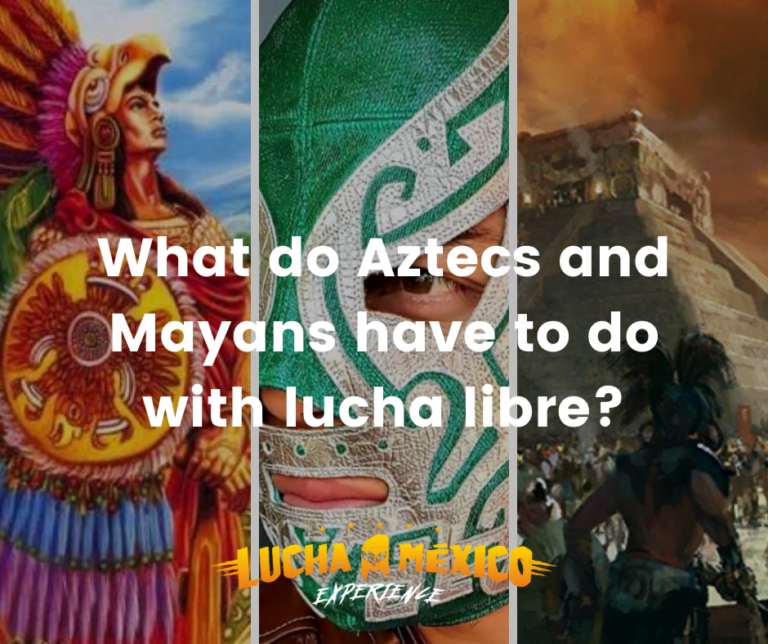
What do Aztecs and Mayans have to do with lucha libre?

If you’re a fan of Lucha Libre, or professional wrestling, you may be wondering what, if any, connection the sport has to the ancient Aztec and Mayan civilizations. While lucha libre is a modern sport that originated in Mexico, it does have some historical roots and influences that can be traced back to the Aztecs and Mayans. First, it’s important to note that the Aztecs and Mayans were two separate civilizations that existed in what is now Mexico and Central America. The Aztecs, who ruled from the 14th to 16th centuries, were a powerful and militaristic empire that dominated much

Culture

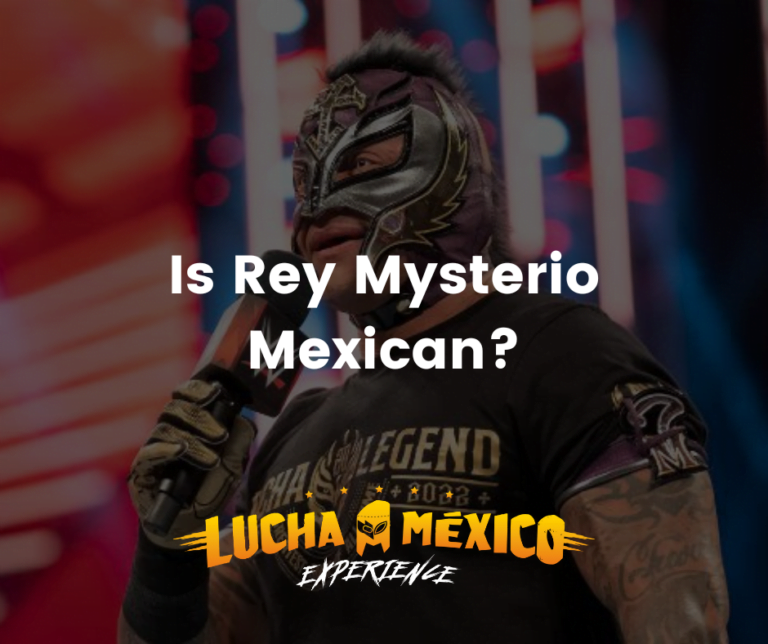
Is Rey Mysterio Mexican?

TL;DR Rey Mysterio, born in San Diego, is American by birth but deeply tied to Mexican wrestling culture. He began his career in Mexico as Rey Misterio Jr, performing in legendary venues like Arena México and Arena Coliseo. Trained by his uncle Miguel Ángel López Díaz, the original Rey Misterio, he later transitioned to AAA, WCW, and finally WWE—where his name was changed to Rey Mysterio due to copyright rules. Today, he’s a living icon of Lucha Libre whose legacy transcends borders. Rey Mysterio: American by Birth, Mexican by Heart If you’re a fan of Lucha Libre or professional wrestling,

Culture

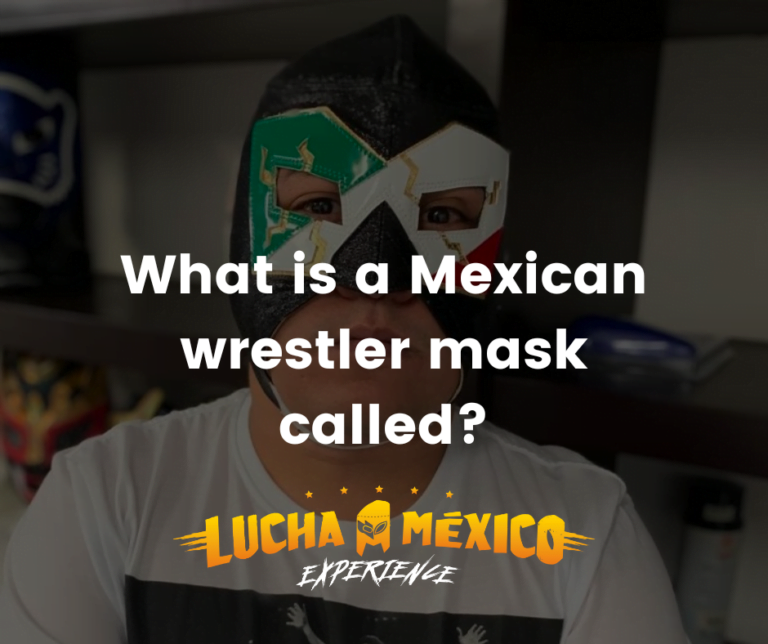
What is a Mexican wrestler mask called?

If you’re a fan of Lucha Libre, or professional wrestling, you may be familiar with the colorful masks worn by the wrestlers. But do you know what these masks are called? In lucha libre, these masks are known as a “máscara.” The máscara is an essential part of the luchador’s persona, and is often seen as a symbol of their identity and status. In fact, in many cases, a luchador’s mask is considered to be just as important, if not more so, than their real name. The máscara is typically made of a flexible and durable material, such as spandex