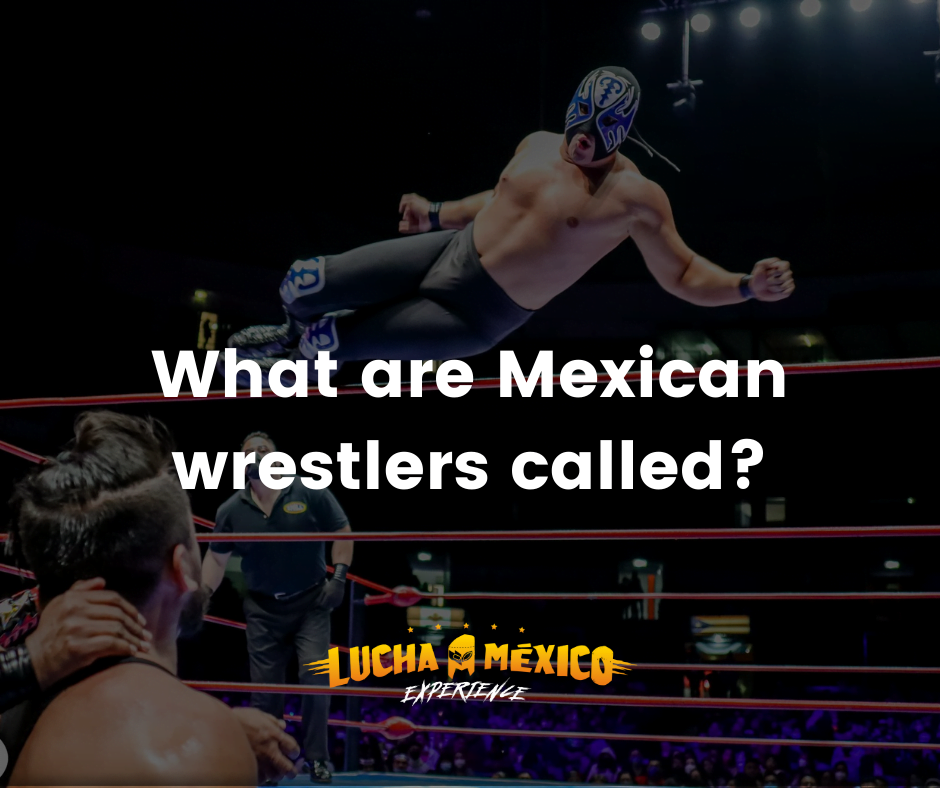
Mexican wrestlers are called luchadores. The word simply means fighters, but in Mexico it carries much more than the English «wrestler»: a luchador is a figure with a deep, traditional place in Mexican culture.
Luchador is not just a translation
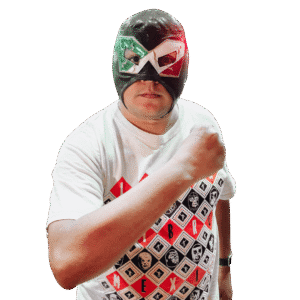
A luchador has a character, often a mask, a fighting style and a role in a story that fans follow week after week. Kids grow up with their favorites, families argue over them, and the best become part of popular culture far beyond the ring.
Rudos and técnicos
Every luchador plays a side. Técnicos are the heroes: they fight clean, follow the rules and win the crowd with skill. Rudos are the villains: they cheat, provoke the referee and the audience, and the crowd loves to hate them. Knowing who is who is half the fun of a night at the arena.
The categories
- Minis: smaller luchadores with their own division and a huge following.
- Micros: an even smaller category.
- Exóticos: flamboyant characters who play with gender roles, a long tradition in Mexican wrestling.
- Masked and unmasked: many luchadores never show their face; for them the mask is their identity, and losing it in a bet is the biggest defeat of a career. More in what a Mexican wrestling mask is called.
Why it’s called lucha libre
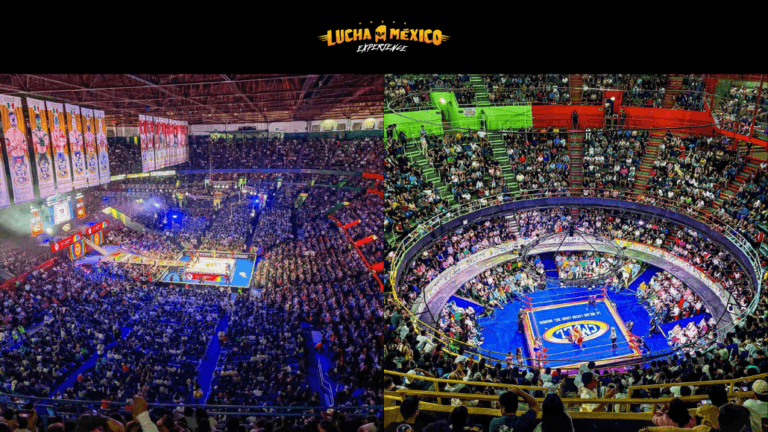
Lucha libre means free wrestling. The name comes from the freedom each luchador has to use his own technique: high-flying dives, holds on the mat, strikes or a mix of all of them, rather than one fixed style. That variety is what makes a card at Arena México so unpredictable. The story of how it began is in lucha libre history.
Frequently asked questions
What is a female wrestler called? A luchadora.
Is Rey Mysterio a luchador? Yes, he trained in the lucha libre tradition. See is Rey Mysterio Mexican?
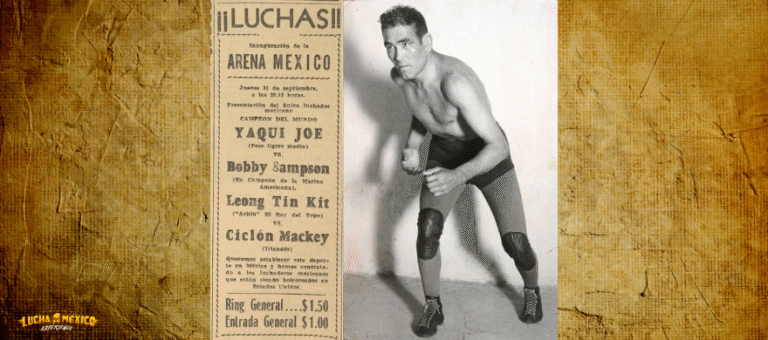
Who wrestled on the first night of modern lucha libre? The first night of modern lucha libre in Mexico City, on September 21, 1933, featured mostly foreign wrestlers and one Mexican-American, Yaqui Joe.