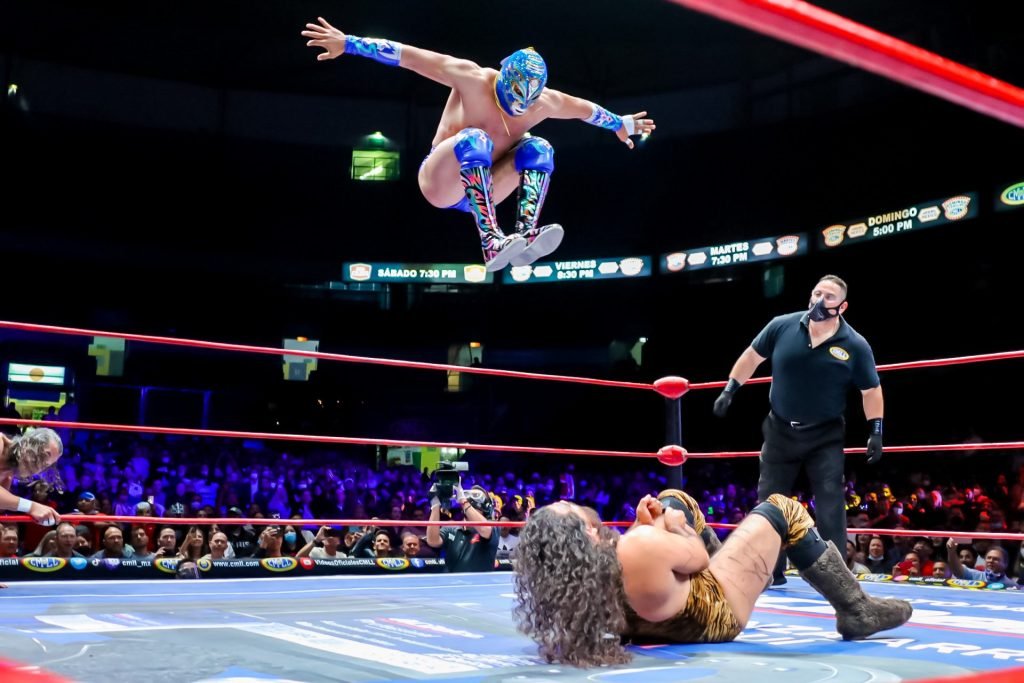
Lucha libre is Mexican professional wrestling, and it is unlike wrestling anywhere else in the world. It has masked heroes and villains, high-flying moves and two-out-of-three-falls matches, but above all it has identity: for many Mexicans, lucha libre is part of who we are.
How I grew up with it
When I was a kid in Sonora, my family could not afford cable. We had three channels over the air, and two of them broadcast lucha libre. My childhood was cartoons and wrestling. It was also the years when lucha libre had its biggest TV exposure, with CMLL at its peak and a new company, AAA, just being born.
My heroes were Carmelo Reyes “Cien Caras” and the Hermanos Dinamita, Blue Panther, Fuerza Guerrera, Atlantis, Pierroth and many other characters of that era. Years later, as a sports journalist, I ended up writing about the same world I watched as a boy. Today I share it with travelers every week.
It starts with the mask
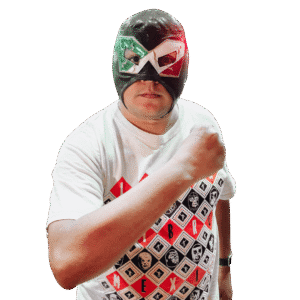
When I tell the story of lucha libre, I always start with the mask. A luchador who wears a mask hides his name, his age and his hometown. The mask is his identity, and losing it in a bet is the biggest defeat in the sport.
I see a link between the mask and the original cultures of Mexico, whose warriors went into battle wearing masks, feathers or animal skins. The outfit turned a man into something larger than himself. That idea, the costume as identity and the bridge between myth and the fighter, is where the cultural connection begins. It is what makes lucha libre different from any other form of wrestling.
Where it came from
Some form of wrestling reached Mexico in the second half of the 1800s, around the time of the Second French Intervention. Enrique Ugartechea, considered the first Mexican wrestler, learned his first techniques from French street performers, circus artists and wrestlers. But there was no circuit and no company, so a lucha libre movement could not grow yet.
That changed with Salvador Lutteroth. He fought in the Mexican Revolution alongside Álvaro Obregón, and after the war he worked as a tax collector, traveling across the country. On one of those trips he crossed into El Paso, Texas, and at the Liberty Hall he watched his first American wrestling show. He decided to bring wrestling to Mexico.
September 21, 1933: the first night
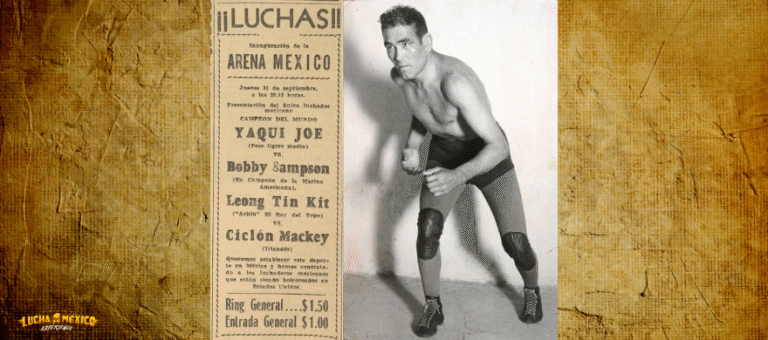
The first lucha libre night in Mexico took place on September 21, 1933, at the Arena Modelo, on the same site where Arena México stands today. The card was made almost entirely of foreign wrestlers, with a single Mexican American: Yaqui Joe, named after the Yaqui people of Sonora. That date is the birthday of CMLL, today the oldest active wrestling promotion in the world.
To make lucha libre last in Mexico, given the social, political and economic context of the time, Lutteroth needed a first generation of Mexican wrestlers. They were trained in Olympic and Greco-Roman wrestling. That is why Mexican lucha libre has a more athletic, technical and competitive approach than other styles of wrestling.
Keep exploring
- What is a Mexican wrestler mask called? and What are wrestling masks made of?
- What are Mexican wrestlers called?
- Is Rey Mysterio Mexican?
- What do the Aztecs and Mayans have to do with lucha libre?
- Where can I watch lucha libre in Mexico City?
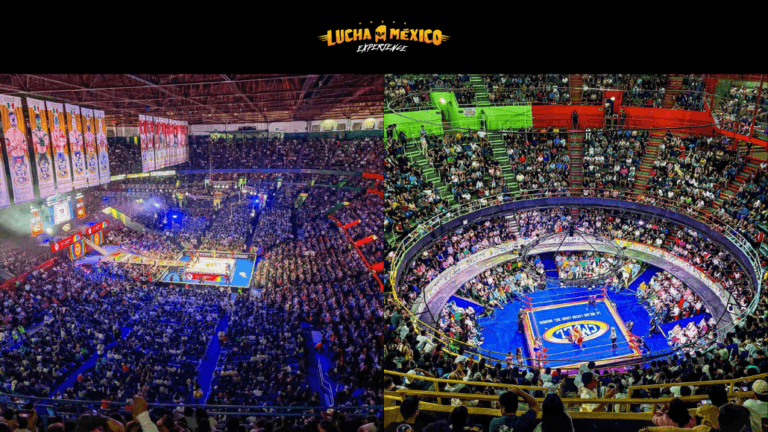
To see it for yourself, join us ringside at Arena México or Arena Coliseo. From MXN 1,350 per person. Check availability.